

Islamabad: At the launch of its flagship annual report, State of Human Rights in 2018, the Human Rights Commission of Pakistan (HRCP) has noted that, ‘in a year of general elections, it was inevitable perhaps that the progress and observation of human rights issues might be suspended, if not forgotten. The elections themselves were plagued by allegations of pre-poll manipulation and vote rigging – never fully resolved – and some appalling outbreaks of violence. Nonetheless, there were more women candidates for general seats in these elections than in any past election, and for the first time, transgender candidates contested the polls.’
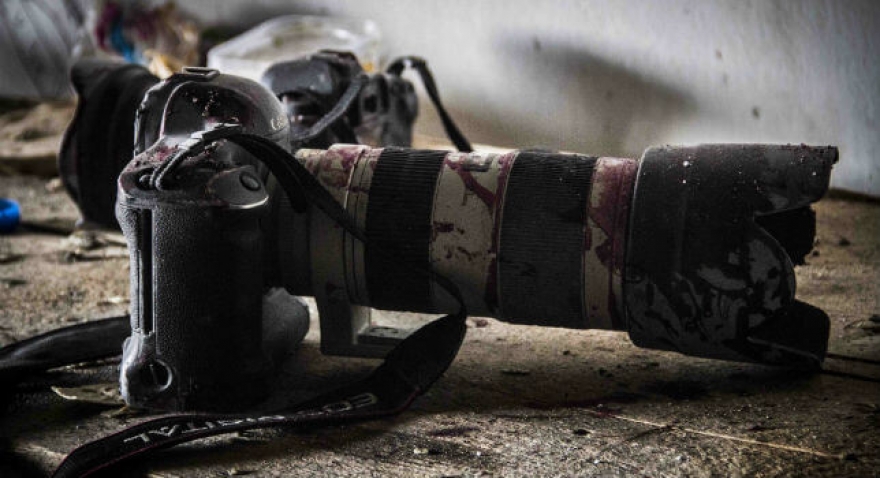
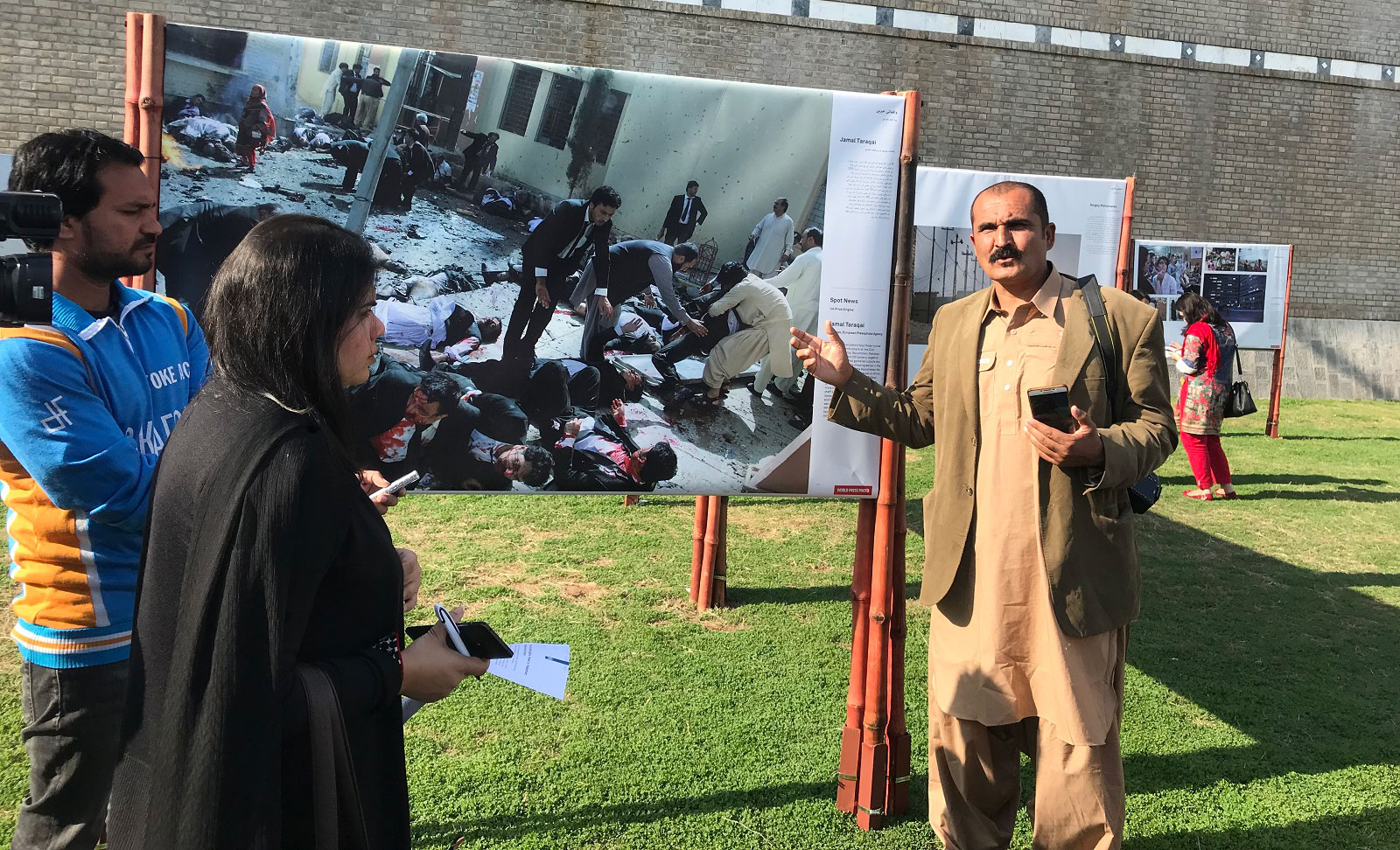
In a statement, HRCP has commented on ‘the unprecedented level to which the fundamental right to freedom of expression was overtly violated, particularly in the run-up to the elections,’ adding that ‘in the guise of “national security concerns”, restrictions on media coverage were stepped up, journalists took increasingly to self-censorship, the distribution of a national newspaper was severely curtailed, and a media blackout was imposed on coverage of certain events.
‘2018 began with a horrifying crime against a six-year-old child, Zainab, and the relative speed with which the culprit was apprehended was in no small part due to the public outcry. The sentence handed down proved to be no deterrent – distressing reports of abuse and violence involving children continued to surface.
‘The public conscience was assailed by reports of enforced disappearances, extrajudicial killings, the abuse and murder of children, violence towards women, child labour, religious intolerance, the persecution of minorities, and crimes committed in the name of “honour”.
‘Women, children and labour remained highly vulnerable. HRCP monitoring data showed at least 845 incidents of sexual violence against women, and 316 crimes in the name of ‘honour’ perpetrated against both men and women. In Thar, Sindh, 638 children died of malnutrition in 2018.
‘Scores of mine workers lost their lives in deadly incidents in Balochistan and other provinces with no evidence of progress in the implementation of safety and health standards. In addition, an estimated 12 million children were reportedly involved in child labour.
‘Worryingly, an estimated 16,136 internally displaced families have yet to return home, although the number is likely higher.
‘One bright prospect was the Supreme Court’s acquittal of Aasia Bibi, but the ensuing violence against the verdict could only be quelled when an ‘agreement’ was reached.
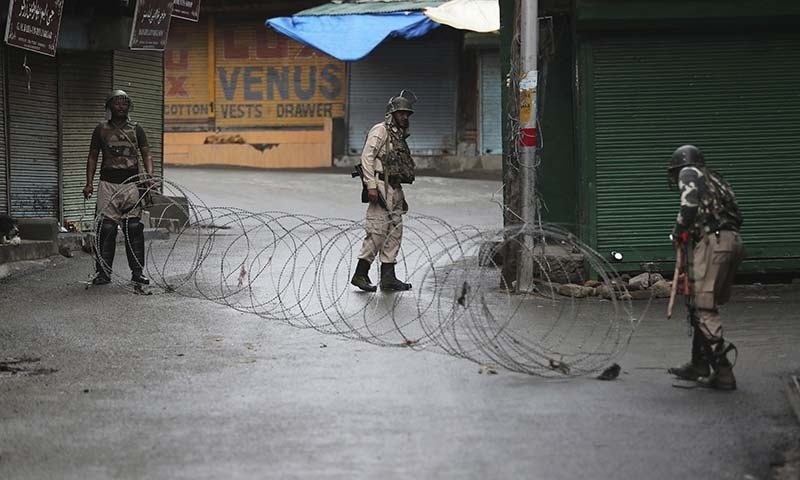
‘The excessive and arbitrary use of the Exit Control List (ECL) continued to feature prominently in the news. Pre-emptive detention of activists was frequently employed to restrict or disrupt rallies and protests, particularly in the months preceding the elections.
‘While the interventions of the Supreme Court attracted much attention, the long-awaited reform of the criminal justice system remained on the back burner and the steady accumulation and growth of the backlog of cases went unchecked in all the courts. By year-end, there were close to 1.9 million cases pending in over 250 lower, special and superior courts. At the end of the year 4,688 prisoners were on death row. At least 500 have been executed since 2014, 14 of them in 2018.
‘Particularly notable during the year were the prolific and widely reported activities of the National Accountability Bureau, whose modus operandi was viewed with a mix of approbation and dismay. The axe fell on former prime ministers, politicians, media personalities, CEOs, and university officials alike.
‘Never was there a time more in need of the fearless, forthright Asma Jahangir, who passed away in February 2018. This tragic loss left the country bereft of a bold voice prepared to speak out for the underprivileged, the unrepresented, and the vulnerable.’
Key Issues
Laws and law-making
- The federal parliament made a total of 39 laws in 2018, a slight increase from 2017 when 34 laws came into effect.
- The Federally Administered Tribal Areas (FATA) were merged with the province of Khyber Pakhtunkhwa on 31 May 2018.
- The Transgender Persons (Protection and Rights) Act 2018 was passed, covering a range of provisions, and significantly allowing a transgender person to be recognised as per his or her self- perceived gender identity.
- The Juvenile Justice System Act 2018 replaced the Ordinance promulgated in 2000.
- Sindh was once again just ahead with the highest legislative output, closely followed by the Punjab. Two significant Acts passed by the Sindh government were the Sindh Maternity Benefits Act 2018 and the Sindh Home-Based Workers Act 2018.
Administration of justice
- By year end, there were close to 1.9 million cases pending in over 250 lower, special, and superior courts.
- The National Accountability Bureau filed 440 corruption references, apprehended 503 accused persons, received 44,315 complaints, and conducted 1,713 complaint verifications during the year.
- While suo motu interventions by the Supreme Court proliferated, the long-awaited reform of the criminal justice system was put on the back burner.
- At the end of the year 4,688 prisoners were on death row. At least 500 have been executed since 2014, fourteen of them in 2018.
- The landmark judgment on the acquittal of Aasia Bibi by the Supreme Court was a welcome sign that, even in a flawed judicial system, the rule of law was still capable of protecting an innocent victim.
Pakistan and international human rights mechanisms
- Pakistan has affirmed in its election pledge to the Human Rights Council that it is ‘firmly resolved to uphold, promote and safeguard universal human rights and fundamental freedoms for all.’
- HRCP expressed concern that Pakistan had chosen to only ‘note’ key human rights principles including, among others, the reporting of investigation and prosecution of security forces that commit human rights violations; amending discriminatory laws against marginalised groups, taking effective measures to prevent the abuse of blasphemy legislation, and the use of violence against religious minorities.
- Requests for country visits from UN Special Rapporteurs on extrajudicial executions; the situation of human rights defenders; the promotion and protection of human rights while countering terrorism; freedom of religion or belief; and torture and other cruel, inhuman or degrading treatment or punishment, remain pending.
- Pakistan has ratified the eight ILO fundamental conventions but never fully applied them.
Law and order
- As in previous years, there has been a steady decline in conflict-related deaths, although the 2018 General Election saw a rise in violent deaths for the period between June and July.
- During the year, numerous reports emerged of police blackmail and extortion, torture and harassment during raids, custodial deaths, refusal to register FIRs, and corruption.
- HRCP monitoring data showed 845 incidences of sexual violence against women, and 316 crimes in the name of ‘honour’ perpetrated against both men and women. These are minimum figures.
- Child sex abuse incidents are on the rise. One report showed an increase of 32 percent in the first six months of 2018 compared to the same period the previous year, a 47 percent increase in cases involving boys, and a 75 percent rise in sexual violence against children in the age group of 0-5 years.
- Despite legislation, violence against the transgender community continued during the year.
- Cybercrime and online harassment across Pakistan have seen an exponential rise in cases.
Jails and prisoners
- Overcrowding continues to be a major challenge with jails across the country holding up to 57 percent more inmates than their capacity.
- In an NCHR report on Balochistan prisons, the need to adopt a human rights approach in the administration of prisons was said to be of utmost importance.
- Another NCHR report also observed that conditions for mentally ill inmates in Khyber Pakhtunkhwa prisons were particularly poor.
- The Supreme Court was told in May that the government had sent 1,330 persons to internment centres while 253 others had been released.
- According to the Interior Ministry, the official number of Pakistanis in foreign prisons was almost 12,000.
Freedom of movement
- The excessive and arbitrary use of the Exit Control List (ECL) continued to feature prominently in the news.
- Official restrictions on movement were imposed on people attending political and protest rallies.
- Protests, sit-ins, and traffic snarl-ups inhibited the movement of citizens across the country.
- The ground-breaking for the visa-free Kartarpur Corridor connecting Gurdwara Darbar Sahib in Pakistan to Dera Baba Nanak in Indian Punjab was performed on 28 November.
Freedom of thought, conscience and religion
- There was no noticeable abatement in violence against religious minorities, as attacks on people and property continued to be reported.
- In a landmark judgment, the Supreme Court acquitted Aasia Bibi of blasphemy charges in October. The subsequent nationwide unrest over the decision forced the government to agree to a review of the ruling.
- The Islamabad High Court ruled that all citizens should be identified by their faith and applicants for government and semi-government jobs should declare their faith before being considered eligible.
- The government withdrew the nomination of Atif Mian from the Economic Advisory Council (EAC) following a backlash over his Ahmadiyya faith.The Punjab government passed a landmark bill, the Punjab Sikh Anand Karaj Marriage Act 2018, providing for the solemnisation and registration of Sikh marriages.
Freedom of expression
- Curbs on freedom of opinion and expression escalated to unprecedented levels during the period of the elections.
- Media coverage was severely inhibited and journalists intimidated into self-censorship, most specifically in reporting on abuses by government security and intelligence agencies as well as militants.
- The government’s announced intention of forming a ‘Pakistan Media Regulatory Authority’ was greeted with concern by the media as another means of restricting the freedom of the press.
- Pakistan’s internet freedom ranking declined in 2018, attributed to a problematic cybercrime law, internet shutdowns, and cyber-attacks against political dissenters, justified on the grounds of national security.
- A Freedom Network report documented more than 150 violations, including verbal threats, killings, harassment, arrests, abductions, illegal confinements, and physical assaults, against journalists and media groups across the country between May 2017 and April 2018.
Freedom of assembly
- Pre-emptive detention of activists was frequently employed to restrict or disrupt rallies and protests, particularly in the months preceding the elections.
- Roads leading to the venues of rallies were blocked and media coverage blacked out.
- The government was said to be preparing a comprehensive strategy to prevent violent protests on the road and hate speech on sensitive religious issues and to ensure that people’s lives and properties were protected.
- Police frequently used force to hamper or break up peaceful protests, including visually impaired demonstrators protesting about the lack of jobs and salaries.
Freedom of association
- Barriers to setting up unions, categories of workers prohibited from joining unions, limitations on, and methods used to break up, certain types of strikes, as well as the possibility of dismissal are factors that inhibit the growth of trade unions.
- The restrictions and banning of INGOs continued in 2018 with 18 ordered to wind up and leave the country by 30 November.
- The restoration of student unions remained pending and unresolved.
- Workers and supporters of social movements and some with political affiliations were subjected to intimidation or detention on charges of sedition and terrorism.
Political participation
- The elections were marred by allegations of pre-poll manipulation and vote rigging, an issue that was never resolved, and the pre-poll environment clearly did not offer a level playing field to all parties.
- Doubts were raised about the fairness of the election process when security forces assumed control of the polling stations after the close of polling, and told all polling agents to leave their posts and come back an hour later.
- Pre-election rallies and gatherings, as well as polling stations, were once again targeted by bomb attacks although the incidences were fewer than in the 2013 elections.
- Attempts by the media to draw attention to some banned (as terrorist) entries in the elections were in vain.
- The rise of the Pashtun Tahafuz Movement (PTM), and the government’s response, was a significant political development.
Women
- Pakistan was named once again the second worst country in terms of gender equality in the world by the Global Gender Gap Index 2018.
- Despite the legislation enacted for women’s rights in recent years, violence against women and unlawful practices persist and continue to escalate.
- Seventy-five percent of women and girls are involved in the agriculture sector and 60 percent of their work is being utilised as unpaid.
- There were more women candidates for general seats in the 2018 general elections than in any past election. For the first time, transgender candidates contested the elections. The first Sheedi woman was elected to the Sindh Assembly, and the first Hindu Dalit woman was elected to the Senate.
- The Transgender Persons (Protection of Rights) Act 2018 was passed giving them the right ‘to be recognised as per his or her self-perceived gender identity’, and making discrimination against them in numerous areas unlawful.
Children
- There has been a sharp increase in child sexual abuse, involving both boys and girls, and reports of abuse appear with shocking regularity.
- Despite legislation on the employment of minors, this practice persists in industries and homes and the cases of abuse of child domestic workers continue to surface.
- Only four percent of children in Pakistan receive a ‘minimally acceptable diet’ according to a UN report.
- In the Thar region of Sindh, 638 children died of malnutrition in the period 1 January to 31 December 2018.
- The National Commission on the Rights of the Child (NCRC) Act was passed in 2017, and the Commission has yet to be constituted.
Labour
- The Sindh government produced a record number of labour-related legislation, including the first-ever law in Pakistan to protect the rights of home-based workers (the Sindh Home-Based Workers Act 2018).
- In general, implementation of international ILO and UN conventions and covenants relating to labour standards and human rights is an ongoing problem in Pakistan.
- Scores of mine workers lost their lives in deadly incidents in Balochistan and other provinces with no evidence of progress in the implementation of safety and health standards.
- Despite legislation, Pakistan ranked 8th on the Global Slavery Index 2018, with an estimated three million living in modern slavery/bonded labour.
- An estimated 12 million children are involved in child labour in the country.
The elderly
- The current figure of over 11 million senior citizens in Pakistan is set to rise to over 43 million by 2050 according to the UNFPA.
- The implementation of existing Acts for the rights of senior citizens, and the formulation of others, is painfully slow.
- There is a dearth of housing and health facilities for those unable to live with their families.
- The informal sector accounts for 70% of the economy, yet it remains out of the ambit of The Employees Old Age Benefits Act 1976.
People living with disabilities
- Statistics on the number of persons with disabilities (PWDs) in the country vary in the absence of verifiable survey data, but the prevalence of disability has been estimated at 15 percent by WHO.
- Laws fully based on the UN Convention on the Rights of Persons with Disabilities which Pakistan ratified in 2011 have yet to fully manifest themselves and there is a lot of ground to make up.
- The Sindh Empowerment of Persons with Disabilities Act 2018, however, emphasises a rights- based approach modelled on the core principles of the CRPD.
- Schooling, training, and employment of children and people living with disabilities is a much- neglected area.
- Stigma and superstition attached to disability in Pakistan prevents the visibility, inclusion, and participation of PWDs in society.
Refugees and IDPs
- The number of Afghan nationals registered in Pakistan is over 2.8 million, of which 1.6 million hold a Proof of Registration Card (PoR) card, according to NADRA. There are at least one million undocumented Afghan nationals residing in the country.
- A total of 13,584 refugees were voluntarily repatriated from Pakistan to Afghanistan in 2018, a significant decline as compared to 57,411 in 2017.
- FDMA estimates that around 16,136 IDP families have yet to return. Independent analysts, HRCP monitors on the ground, and organisations working with IDPs say the numbers of IDPs who were forced to leave their homes in FATA, and who are currently still displaced, are much higher.
- The government made an announcement about the possible granting of citizenship to around 1.5 million Afghans born in Pakistan, but this was later clarified as a move to ‘initiate a debate’ on the subject.
- The perception that Afghan refugees were all involved in criminal or terrorist activities continued to persist and, in some cases, was encouraged as evidenced by reports of continued harassment and aggression.
Education
- The number of out-of-school children was reported to have risen from 22.63 to 22.84 million. Another report spoke of a promising trend as the children between the ages of six and 16 enrolled in schools had risen from 81 percent in 2016 to 83 percent in 2018.
- GEM 2019 showed that just about half of the pupils attain minimum proficiency in reading and mathematics by the end of the primary level, but the ASER report 2018 registered an improvement in learning levels.
- The issue of tuition fee hikes at elite schools was taken up by the Supreme Court.
- The funding for the Higher Education Commission was slashed by around Rs5 billion in a mid- term budget released in October.
- Militants torched 12 schools, mostly for girls, in Gilgit-Baltistan, the Khyber tribal district, Khyber Pakhtunkhwa, and Balochistan.
- Cases of corporal punishment continued to be reported throughout the year from the Punjab, KP, and other provinces.
Health
- The country’s spending on the health sector is still less than one percent of its GDP whereas WHO recommends it should be around 6 percent.
- The unsatisfactory quality and coverage of public health services means a high dependence on the private sector which is too costly for many. As a result, people are driven to consult unqualified medical practitioners and quacks, often with dire consequences.
- The country is becoming increasingly depressed, according to the Pakistan Association for Mental Health. There is no evidence that Pakistan has developed a coordinated national strategy to achieve the objectives of WHO’s comprehensive mental health action plan (2013-2020).
- The control of communicable diseases remains a challenge, while there is a rising trend of non- communicable diseases—heart disease, stroke, diabetes, hypertension, and various types of cancers.
Housing
- There were some notable efforts to stop land grabbing and illegal encroachment, but those practices as well as illegal occupation and china cutting continued especially in the major cities.
- With a deficit of roughly seven to 10 million houses in the country, the government’s pledge to build five million affordable houses throughout Pakistan might be a major challenge particularly after the announcement that applicants would have to bear 20 percent of the total cost of their home.
- The authorities’ operations to evict ‘illegal’ occupants from residential areas and to demolish illegal structures met with some strong resistance.
- The frequent reports of roof and wall collapses causing numerous fatalities expose the substandard quality of construction in homes and buildings.
Environment
- Air and water pollution, lack of sanitation, and exposure to heavy metals are responsible for approximately 340,000 deaths annually in Pakistan, according to Yale’s 2018 Environmental Performance Index.
- Pakistan is among the top ten countries most affected by climate change, with wide-ranging impacts on the population and economy due to extreme weather events over the last two decades.
- Balochistan and Sindh, and other parts of the country, were reported to be experiencing drought- like conditions, with the Thar region particularly hard hit.
- A World Bank report recommended urgent investments in faecal waste management systems as well as in the provision of safe drinking water to prevent transmission of disease.
- Pakistan is forging ahead with the building of coal-fired plants—Thar coal will fuel nine of the 17 proposed CPEC power plants—despite the global trend towards replacing fossil fuels with renewable energy.
- The Punjab government was reported to be conducting a forensic audit of the Quaid-e-Azam Solar Power Project in Bahawalpur amid concerns over the cost of the project and the electricity being produced there.